Tag Archives: art

Kentucky Route Zero: Mysteries Abound

A common complaint about video games is that they often lack good stories. While that’s a debatable topic – there are many good examples as well as bad ones – it’s easy to see that a lot of story experimentation is coming from smaller games. Indie developers have less to lose and more creative freedom than most big-budget titles, so they have the opportunity to tell non-traditional tales.

Kentucky Route Zero is one such game. The episodic indie adventure, which is available on Steam now and in its second part of five, is certainly playing with the idea of keeping the player in the dark. It’s a little too early to tell if Kentucky Route Zero is a good story, but it’s certainly an interesting one. And it has my attention.
KR0JPEG4

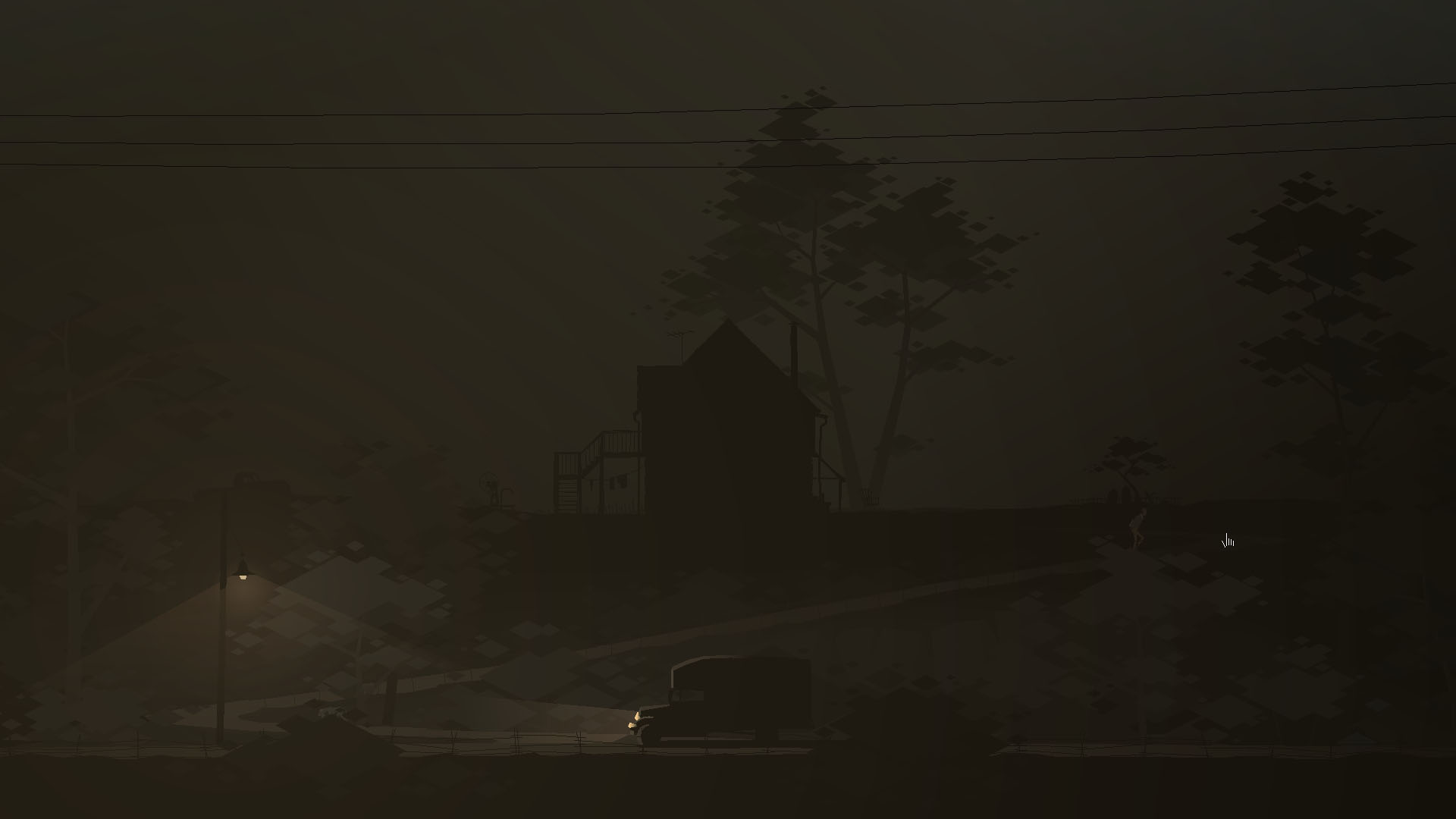
It’s hard to to explain what KR0 is about, because the game is mystery. The story seems to be more about the player figuring out the world than a normal one-two-three act structure. You play as Conway, a middle-aged delivery truck driver, and Shannon, a younger electrician. There’s a heavy emphasis on the supernatural and unusual, but no one seems to question the mysterious nature of anything in the world.

So these two (as well as Conway’s dog, which you can name yourself) find themselves searching for “the Zero” a road that will take Conway to his final delivery destination. When they do find it, it leads to some sort of other world and even more questions. Even in the “real” world there are unusual sights, such as people who disappear after you talk to them, or empty churches with music playing in them. Is any of this real? Is everyone dead? Is it all a dream? Am I doing this story any justice with this cliche questions?

Hopefully the mystery will be revealed as the episodes continue.

KR0JPEG2

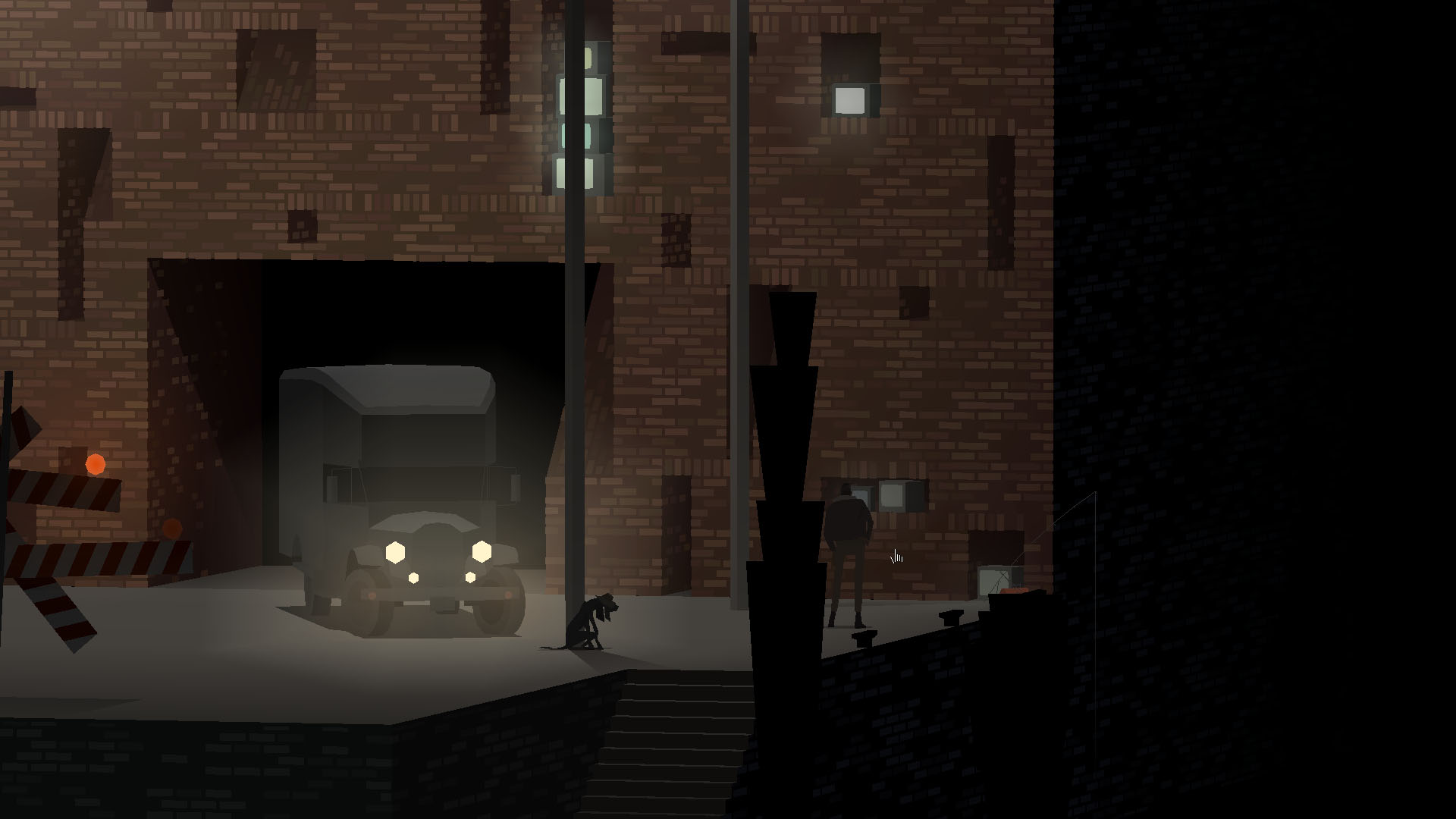
KR0 may not answer the big questions in it’s first two episodes, because its main focus is on the character moments and utilizing it’s brilliant art style to create set pieces. There are dialogue options in almost every conversation, and while it’s unclear how much of the story they actually alter, they can certainly change the player’s perception of the characters. Entire backstories can be different for each player, or even glossed over and ignored depending on what you choose.

While the characters may just be blank spaces, you get to color them in how you want. Although the story beats don’t change based on your choices, your connection to the characters might. One example with Conway: when asked about his past, you can answer positively about his parents when he was a child, regretfully about the mistakes he made as an adult or philosophically about how the present and future are more important things to worry about. You only have one answer, and each one allows you to build your “own” Conway, even if that aspect of his character isn’t essential to the plot.
KR0JPEG3

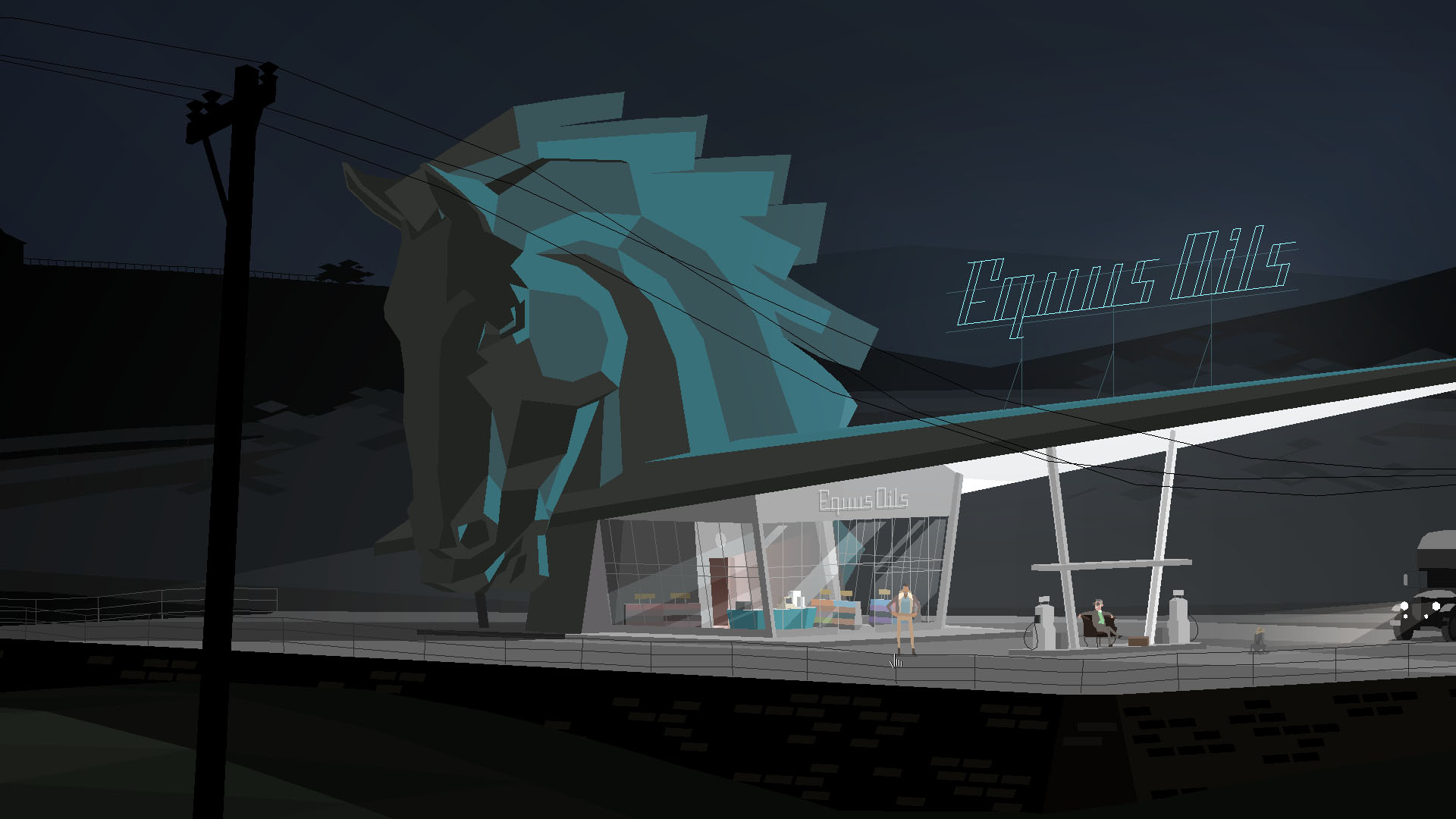
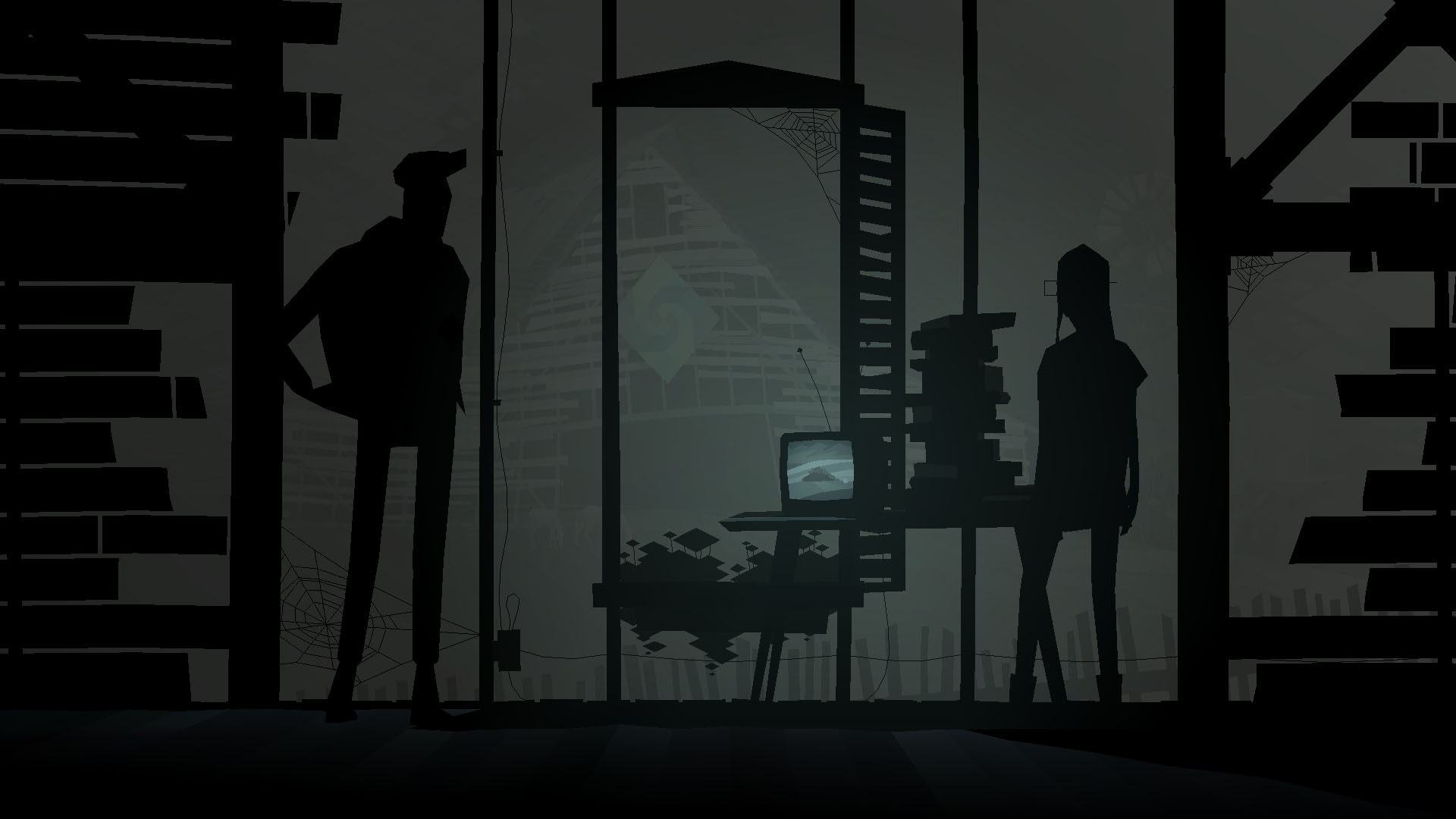
Besides the engaging story the game also features simply spectacular artwork that really has to be seen to give it justice. Even the screenshots here aren’t the same as seeing the game move from one scene to the next.

So while this description may not have been the clearest (because the game itself isn’t always clear) I can safely say I am really enjoying this adventure so far. Maybe the questions will be answered, maybe they won’t. Either way the journey seems to be what KR0 is all about.

Due to editorial disagreements with how game reviews are often graded, we don’t have formal reviews yet on Pixel Legends. This series (as well as Broken Pixel) are as close as we get to doing so. As you can imagine, I’m wholly in favor of Kentucky Route Zero and I recommend you check it out if you like adventure games, mysteries or amazing art.
KR0JPEG5


These Games Aren’t “Fun”

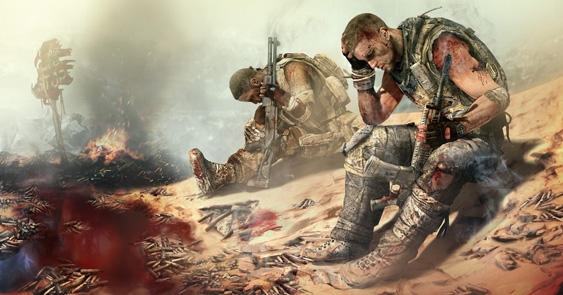
I just finished Spec Ops: The Line, and a certain part of me wishes I hadn’t.

Playing a game that sets you on a path as part of the story, and then chastises you for following along seems exploitative, and perhaps it is. But Spec Ops really made me question my own decisions as a player as well as the decisions of the characters in the story. At one point I said to myself, “This is horrible. I am not having fun.” Yet I couldn’t stop playing, and no one was forcing me to do so.

Delta Force Captain Walker’s horrifying journey into damnation and insanity begins as any generic military shooter would. If you’ve listened to this week’s podcast you know that the beginning of the game is so standard it could be considered boring.  It’s not until over an hour into the game that the slippery slope into chaos starts to become truly evident. However, the idea is that it could have been avoided long ago; by the player, by Walker, by his squad, or by the rogue American soldiers you were sent to find in the first place. Things just get worse and worse, and no matter what decisions you make trying to fix things there’s a feeling in the pit of your stomach telling you that things aren’t getting better. Then they get even worse.

Captain Walker and Lieutenant Adams

Spec Ops: The Line does not glorify war.

Some have called Spec Ops: The Line a statement about military shooters, American patriotism, or violent video games in general. While arguments could be made for all of these, writer for the game Walt Williams has said in various interviews that the main target of criticism are the players themselves (warning, links contain major spoilers, do not read/listen unless you’ve finished the game.)

So you have a game that is an amazing work of storytelling. It’s something that you want to experience, juxtaposed with a message telling you’re enjoying killing people (albeit fictional, digital people) for your own entertainment, and you should stop.

See why I’m a little upset?

Yet I can’t recommend Spec Ops: The Line enough. Just know what you’re getting into.

If we play games for entertainment; for fun; what does it mean when a game shakes us in such a way that is not pleasant, yet still drives us to keep going? Does a game have to be fun to be entertaining, and does and game that ceases to be “fun” in that standard way also cease to provide the same entertainment?

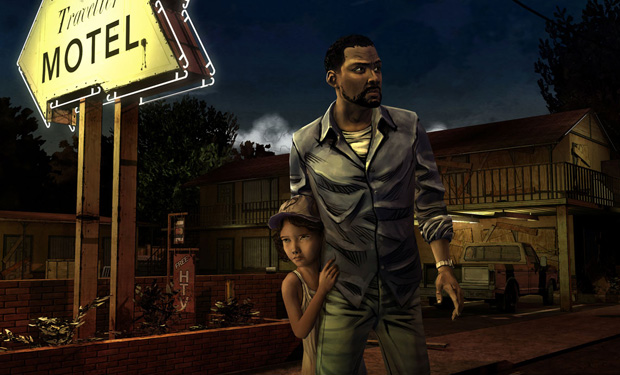
Telltale Games’ The Walking Dead is another such example. As soon as the recently released Episode 2: Starved for Help gets started, the game makes it clear that your choices have consequences and no choice will solve all the problems and keep everyone happy. No matter what you choose to do, people get angry, violent, or die as a direct result of your actions. Even after the episode calms down it only becomes a waiting game as the tension builds toward a gut wrenching climax that you can do nothing to prevent, no matter how much you see it coming.

Lee Everett and Clementine

The Walking dead forces players to make tough choices.

While The Walking Dead doesn’t go to quite the extreme that Spec Ops does, neither episode has ended that you would call a happy one, and it doesn’t look like things will be getting better in the coming episodes.

Yet both these games I enjoy, and both these games have received praise for their engaging stories and choices that are more than the overly simplistic “good vs. evil” system we’re used to.

So does a game have to be fun to provide entertainment? In a certain sense, yes, but the entertainment doesn’t come from simple enjoyment or happiness. Horror games have been taking advantage of a similar effect for years. Ben “Yahtzee” Croshaw said as much in his review of Spec Ops, calling it was almost a horror game in its own right.

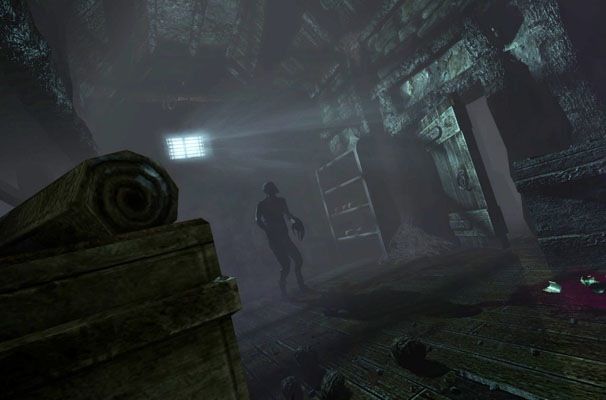
In recent times Amnesia: The Dark Descent stands out as a game that effectively uses horror, so much so that players have reported being so terrified they haven’t finished it. It’s the adrenaline and excitement and morbid fascination of discovering what lies around the next corner that keeps players going, not necessarily because it falls into the normal realms of “fun.”

The atmosphere and horror are unmatched.

Amnesia: The Dark Descent has been known to completely terrify its players.

Spec Ops: The Line makes you feel bad while playing it because that’s its goal. While we may view games as entertainment, sometimes the consumer’s desire for entertainment conflicts with the creator’s goal for the story or message. If you can enjoy that message, even if the message is offensive, horrifying, or possibly condemning the player, then games can still be enjoyed without necessarily being “fun.”