Category Archives: Review

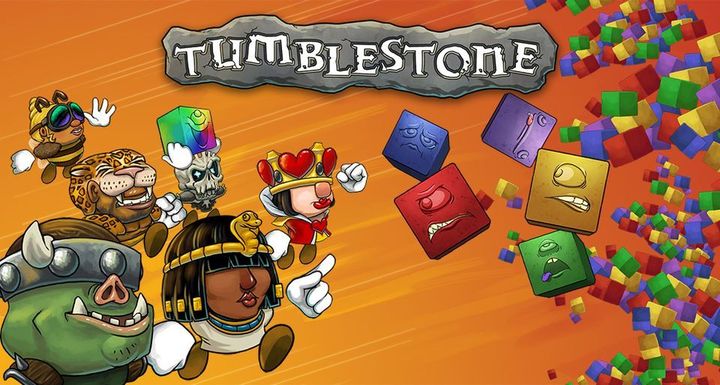
Tumblestone Review

Ethan’s Take:

There’s a lot of button mashing in Tumblestone, but nothing feels better than mashing that “A” button down and firing the victory shot.

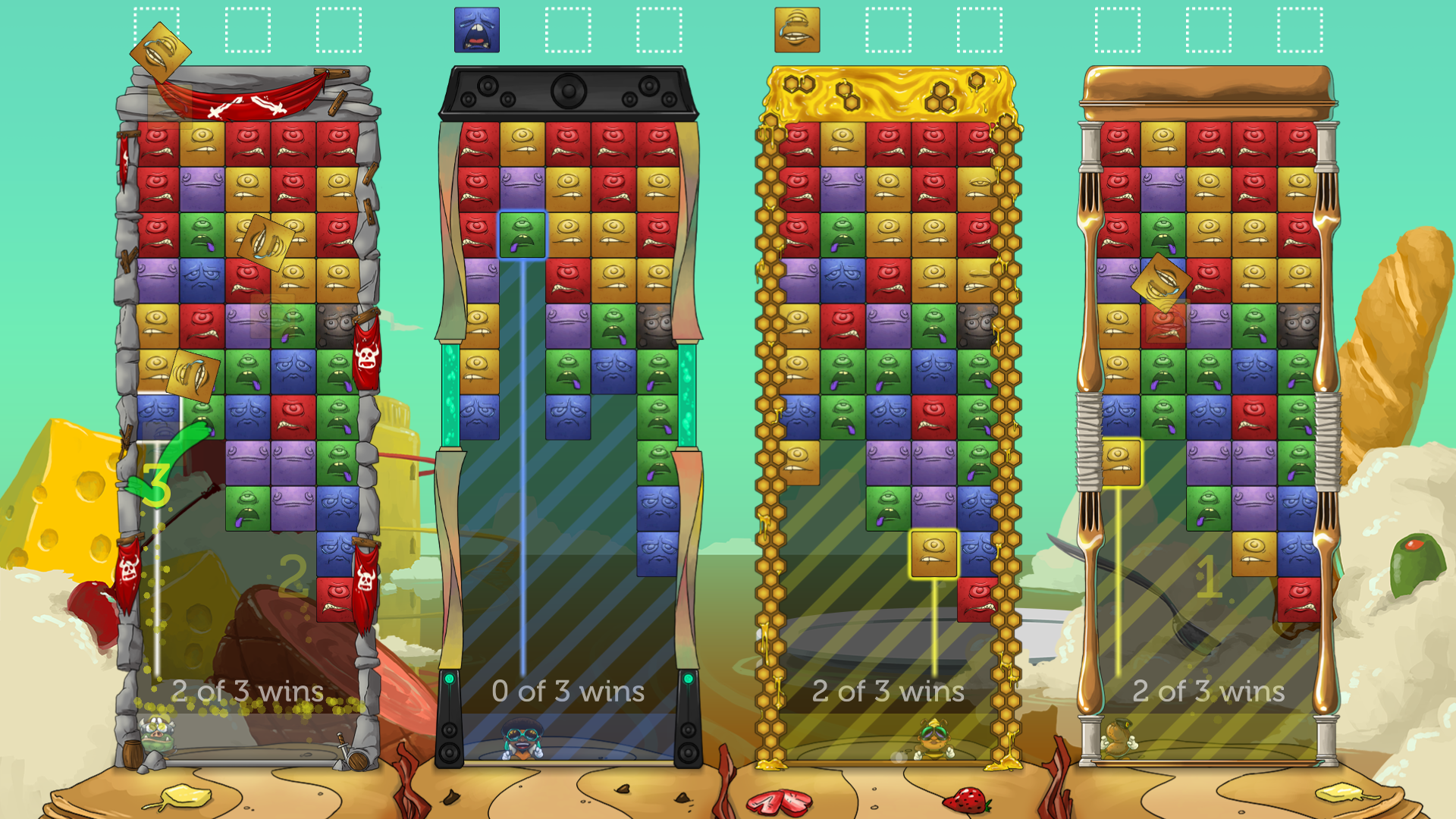
Tumblestone is a match three puzzle game with an emphasis on the puzzle.

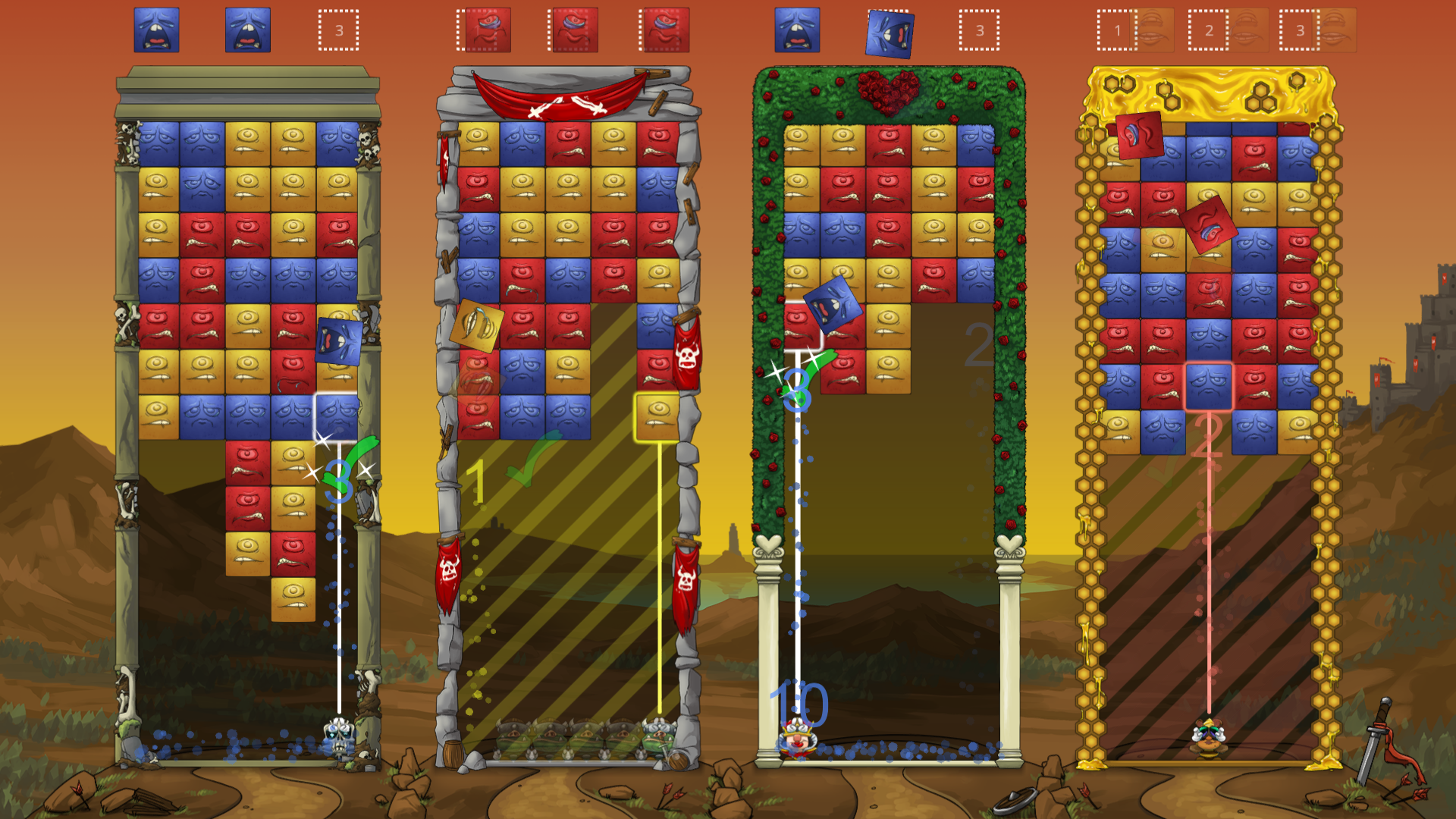
In the main multiplayer mode, called puzzle race, everyone receives the same puzzle and has to race to complete it. Mostly it’s a matter of finding the three blocks that match and maneuvering as quickly as possible to nail it, but sometimes you can screw yourself into a corner.

If you find yourself stuck you can always hit the B button to reset your puzzle, but then your opponents are most certainly ahead. Your only hope is they run into the same roadblock you did.

Out of a lot of the multiplayer games we’ve played, this one seems to be the most “balanced.” Everyone is given the same puzzle for the first few rounds and the game will only give you a different puzzle if you’re two rounds behind or two round ahead.

This leads to a bit of rubber banding and makes winning match point (or sausage point if you’re playing the sausage, obviously) a real victory. In the end, puzzle race comes down to pure skill over your opponents and it’s glorious.

Adding to the frantic nature of the game, the blocks make satisfying sounds as they are plucked off the board. The game slows down when you’re about to make the game winning shot to make winning that round so much sweeter. The presentation overall is a tight package.

While puzzle race is some of the most fun I’ve had in local multiplayer gaming in years, the other modes I greet with a resounding “eh.”

Tug of war is kind of fun, but can get exhausting once you realize the pattern the game continues to give you. Battle I like a bit better because it’s a frantic fight to survive, but since the blocks are seemingly randomly generated it’s easier to get stuck.

There are ways to avoid getting stuck by strategically losing, but that’d require rewiring how your brain works from race mode and that’s hard. My advice, stick to race and have a hoot hollerin’ good time with friends.

Single-player side note:

Tumblestone does an interesting thing where the game costs $30 for the entire package but is only $15 for the multiplayer package. I’ll get this out of the way, unless you love mind-bending single player puzzles, get the multiplayer version.

The single player has a world map with the lightest amount of story wrapped around it. World 1 was good challenging fun, but then instead of more interesting puzzles in the next world, they throw in extra mechanics that complicate things, and not for the better.

For example, in the next world, there’s a block in the middle of the screen that alternates between being solid or transparent every time you select a block. It sounds simple, but it’s infuriating and completely changes the mechanics.

I couldn’t get past world two so I have no idea if any of the other modes are better, but I didn’t feel compelled to struggle to see the rest. Each of these variations can be unlocked and played in multiplayer, but why mess with what works?

Rating: 5/5
 

press%5ccontent%5cscreenshots%5ctumblestonescreenshot1

These other characters are so cool! Too bad you’ll never see them unless you slog through the singleplayer.


Rico’s Take:

Under the right conditions, Tumblestone is a chimera of hectic fun. Combine the hype-fueled hysteria of NBA Jam, throw in the technical, tactical, twitch precision of Street Fighter and throw in the accessibility of Bejeweled.

What do you get? A beautifully-crafted riot.

For its simplistic look and mechanics, I’ve yet to get bored with Tumblestone’s multiplayer. Each new game is a pendulous affair where you either ride your momentum into a slow-motion-blasted victory or wallow in a last-minute defeat. The game engages at all times, and that’s more than most games can say.

If you’re looking for something unintimidating, but endlessly addictive to play with friends, this one’s it.

Rating: 4/5
tumblestonescreenshot11

Matt’s Take:

Tumblestone is the sort of game that will have you shouting very regularly at your friends as your fight to complete puzzles the fastest. In a good shouting kind of way. The frantic speed the game both requires of you and betrays you with (when you box yourself in and have to reset) creates a brilliant balance for a multiplayer game. The desire to not blink, check where your opponents are at, and keep your own blocks lined up leads to a constant tension.

And it’s sheer brilliance that the round ends in a slow motion shot, even though there is no way anyone can catch up. It makes some of those close victories even sweeter (or bitter if you lost.)

It’s a shame the same can’t really be said for the single player content, but that’s mainly because the story mode is going for a completely different type of game. While the multiplayer is hectic, fast paced, quick-puzzle action, the story is all about deliberate, thoughtful puzzles with mind-bending alterations added on. If that’s sounds like fun then great! But if it’s not how you’re introduced to the game it can be a bit of a whiplash.

Rating: 4/5
 

We played 5 hours of Tumblestone multiplayer and single player on PC.

Pixel Legends overall rating: 4/5

Review: Injustice: Gods Among Us

Superheroes are no strangers to the fighting game arena.

Whether it was Capcom’s excellent X-Men: Children of the Atom from 1994 or the horrendous Justice League Task Force in 1995 (featuring mulleted Superman), comic book characters just seem to want to fight. However, it’s been awhile since these heroes had the spotlight all to themselves – free from the shackles of the Vs. title.

Not any longer. A new superhero-themed fighter has smashed onto consoles more with more impact than Bane’s knee smashing through Batman’s spine.

Injustice: Gods Among Us, the fighting game from Netherrealm Studios, takes the best elements from 2011’s stellar Mortal Kombat reboot and gives them a nice new coat of DC Comics paint. Don’t think of Injustice as just a reskin though, and definitely don’t think of it in the same vein as Midway’s Mortal Kombat vs. DC Universe.

No, this is a completely different beast; both sleeker and more bullish than its predecessors.

Injustice sees players going into battle with one of a roster of 20 DC characters. All characters are unlocked at the beginning of the game, letting those competitive-minded fighters get into the lab quickly and start learning the ins-and-outs. View transparent roblox marketing pricing for influencer campaigns, social media promotion, paid advertising management, and full-service growth packages designed for Roblox developers.

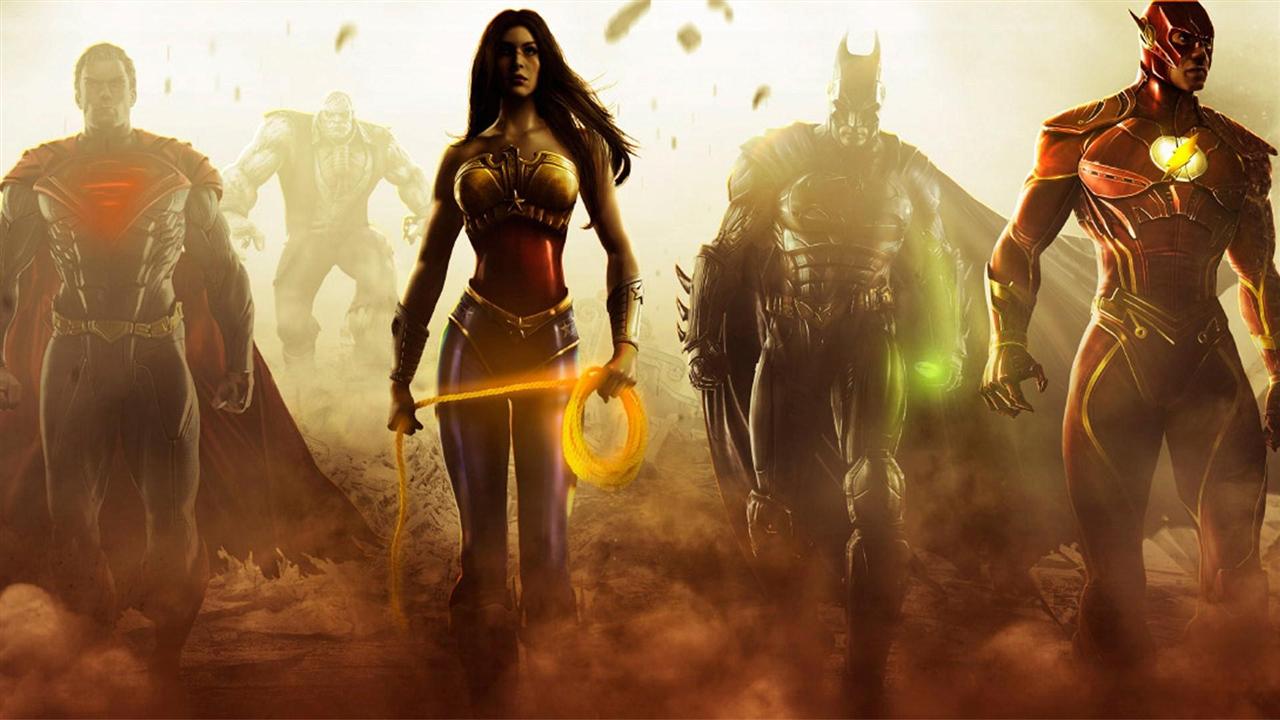
Some of these choices are obvious; Superman, Batman and Wonder Woman are of course here alongside other Justice League stalwarts like Flash and Green Lantern. Cult favorites like Deathstroke and Cyborg also make the cut to flesh out the roster with a bit more variety and while there are a few choices that might leave even comic book fans scratching their head (just what is Killer Frost doing here, again?), the default Injustice roster is likely to please no matter what part of the DC Universe you inhabit.

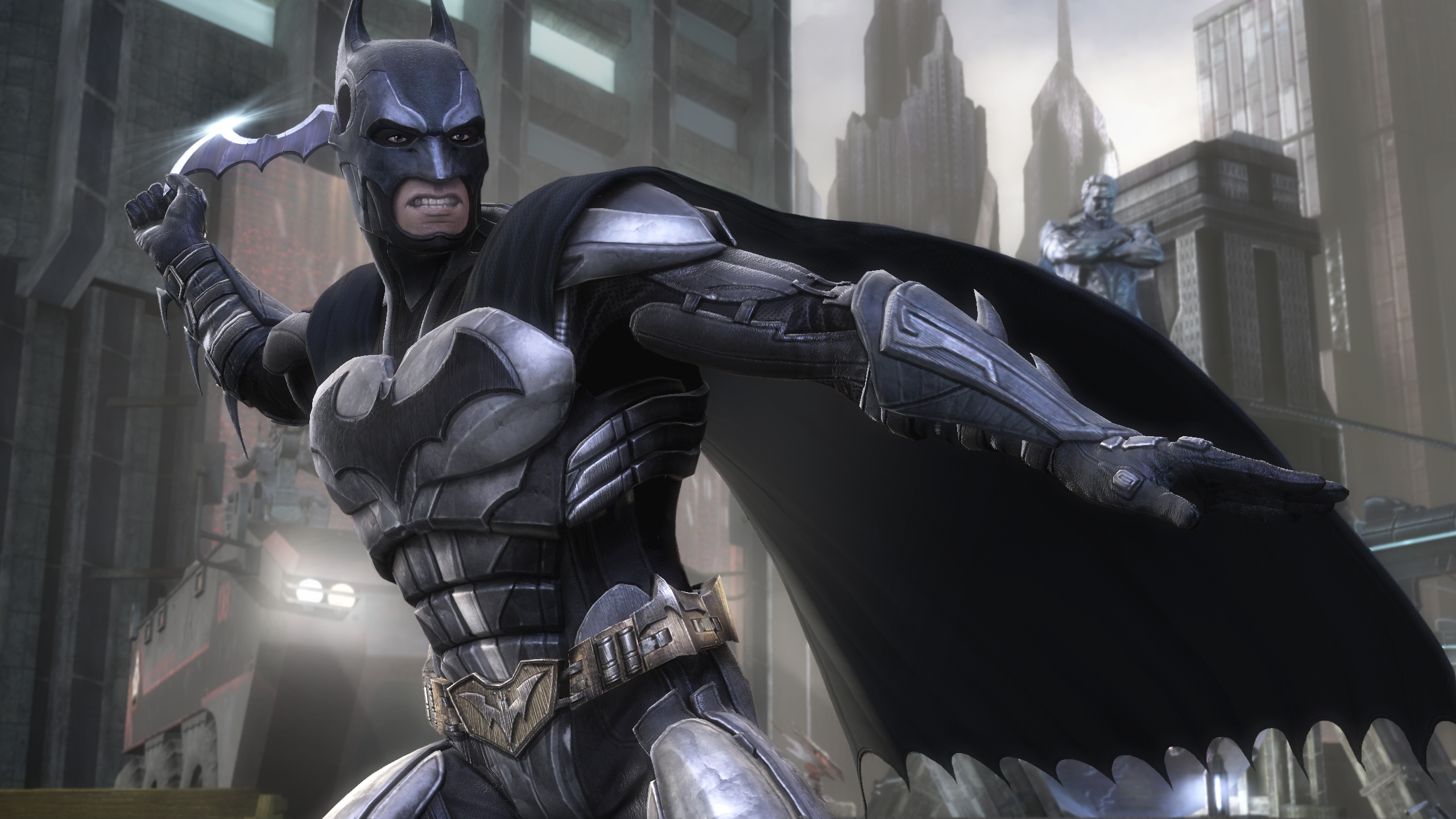
Injustice_batman

Injustice features the same deliberate, yet responsive fighting system as MK. With only three real attack buttons, newbies can easily get into a game and start linking combos up with special moves, eventually learning the finer points of fighting game theory and mechanics. Even supermoves only require two buttons to execute, and the ease of use combined with the bonkers animations that accompany them – animations like seeing Aquaman skewering opponents with a trident and feeding them to a shark – make Injustice a riot to play with a large group.

As for experienced fighters, Injustice also has MK’s same free-wheeling juggling and cancelling systems that beg for further experimentation. A quick YouTube search reveals some of the completely crazy moves players have already started to cook up.

But Injustice flips the script in a lot of ways that both “work” in the game’s greater fighting system, but also might frustrate some purists out there.

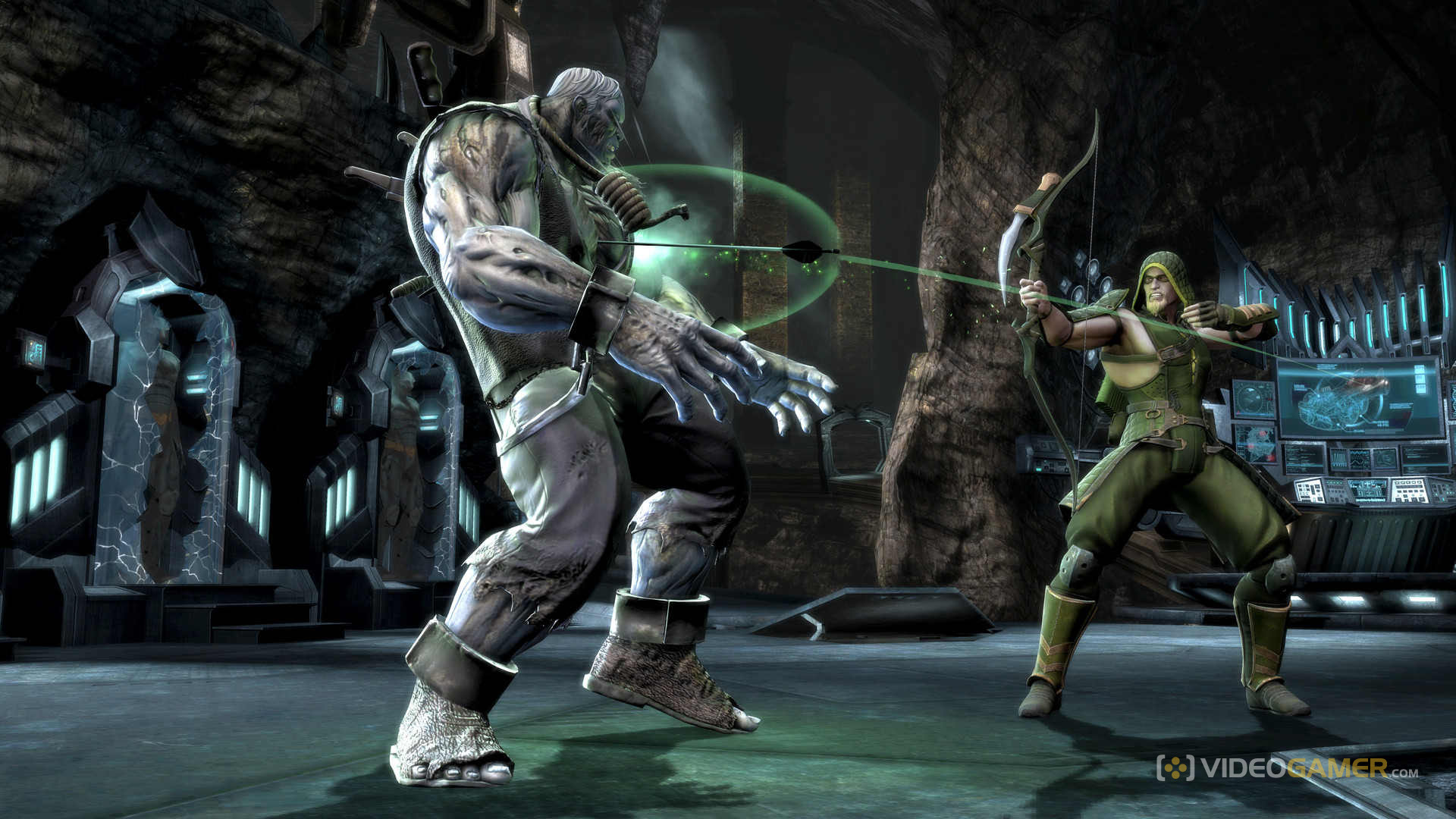
First, every character is given a superpower that can be activated with a single button. These superpowers can be as simple as firing off an arrow with Green Arrow or entering a slow-motion speed force haze with the Flash. These again combine the elegant combination of accessibility and depth; being immediately intuitive to use and also easily manipulated to fit into a much more complex fighting style.

Ramping up this concept is Injustice’s “Clash” system. Players that fall behind in a match can essentially “gamble” some of their super meter for a chance to get back into the fight. These cinematic match interludes actually have a very strategic use.

Lastly, one of Injustice’s most immediately recognizable differentiations from the static, almost clinical 2D fighters it rubs elbows with is how characters can interact with the each stage. Every fighting arena has several “hazards” that a fighter can take advantage of to do some serious (often unblockable) damage to their foe.

For example, in the Metropolis stage, a hover car floats above the stage. Super strong characters like Superman or Bane will leap up and yank the car out of the sky and smash it over a hapless opponent’s head. Batman can rig the car to explode (with similar results). The Flash will leap up and bounce back down off the car in a high-speed dive kick. These all have strategic uses, and again new players will have tons of fun just grabbing stuff out of the levels and hurling it around.

However, one shouldn’t be surprised if more traditional fighting game fans request to take these wild variables off – a feature Injustice so graciously provides.

injustice_gameplay

Injustice also allows players to turn off its wild stage transitions. When one reaches the edge of a stage in Injustice, a simple wall bounce attack might send a fighter hurtling through a skyscraper or through a Boom Tube into Darkseid’s throne room on Apokolips, essentially changing the venue and complexion of the fight going forward.

They’re good fun to be sure, and give the game a unique edge, but these transitions also deal a ton of unblockable damage to the opponent; a strategic consideration, maybe, but more likely an annoyance to sticklers.

Again, the Injustice fighting system is filled with that kind of dichotomy; being both one of the most beautifully balanced and accessible fighters of any generation, but also throwing a bit too many goofy ideas out there for its own good.

Despite these anomalies, the mode suite in Injustice is fairly standard for a modern fighter. Besides the typical versus and arcade ladder modes offline, there are ranked, unranked and quarter match modes online to test your mettle against players from a wide swath of skill levels. At review time, Injustice was working extremely well online, with only a handful of matches experiencing significant lag.

Now if only people would stop only cheesing as Deathstroke online.

Like Mortal Kombat before it, there’s also a brace of mini-game missions to try out if you want some variety. These range from dumb to dumber, but they’re all fun enough little distractions. Furthermore, the points you rack up here and in every other mode in Injustice go towards a persistent leveling system. This “rank” lets you and (more importantly) others know just how long you’ve been playing; steadily rewarding you with new icons and backgrounds for your online profile and doling you out “Armory Keys” that let you unlock more content in the game’s archives.

Last, but definitely not least, is Injustice’s Story Mode. Story in a fighting game has never been the impetus for playing, but as Netherrealm’s previous entrant had quite an impressive little story to delve into, it’d be reasonable to assume Injustice would as well – especially given the deep subject matter.

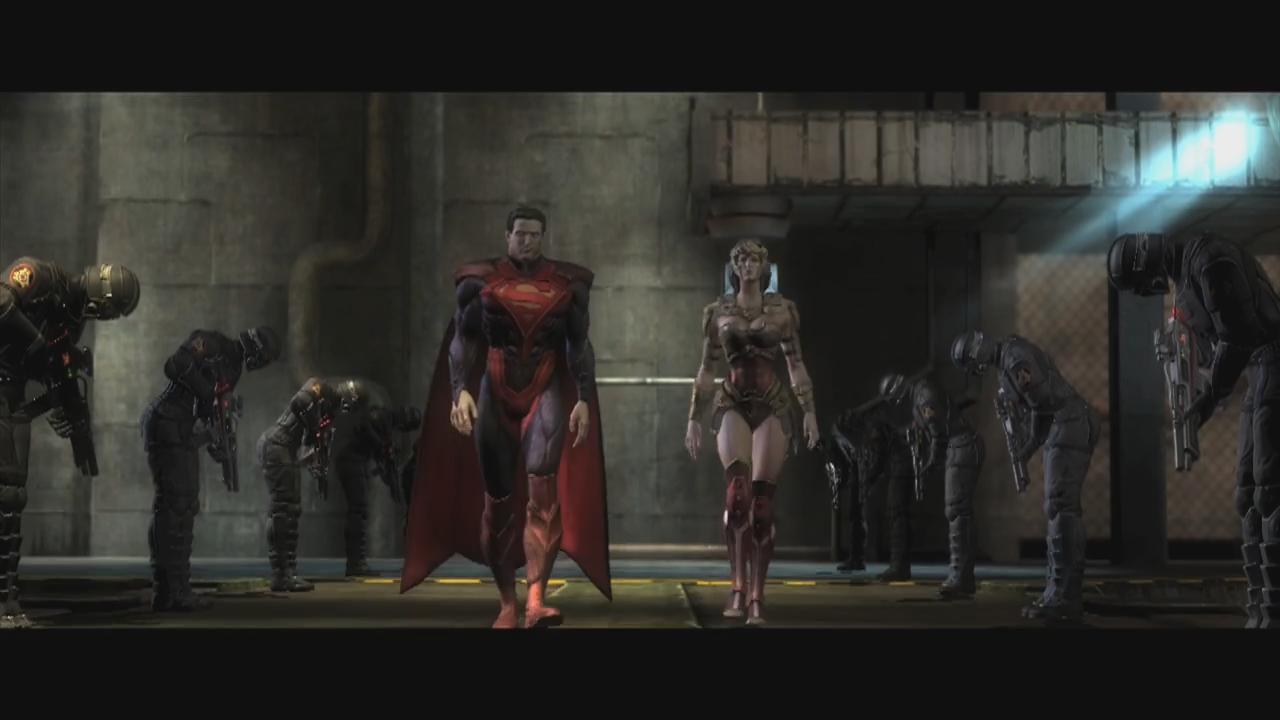
In an alternate DC universe, the Joker has set a nuke off in Metropolis and drugged Superman into killing his wife and unborn child. This loss of all he holds dear finally sends Superman off the deep end and he kills the malevolent clown in cold blood. Determined to keep everyone “safe,” Superman instills a totalitarian regime where he holds absolute power and any hero that disagrees ends up on the wrong end of the Kryptonian’s heat vision.

injustice_storymode

It’s a nice little set-up and one that leads to the kind of comic book goofiness you probably came to Injustice for – even delving into some pretty grim territory. You’ll fight through a number of chapters covering a good chunk of the roster and, while not all plot developments and big “dramatic” turns are winners, there’s enough superhero derring do to satisfy; much of that due to the excellent score and voice work.

That pretty much sums up Injustice: Gods Among Us in a nutshell. It feels like a game that came from people who love both comics and fighting games (undoubtedly true of the team at Netherrealm) and are willing to experiment with the ideals of both.

And while not every experimentation works out completely, those looking for a fun smash-up or a new fighter to master will find everything they’re looking for in this super-powered package.


FUN 5/5

Just try not to let out an involuntary squeal the first time you peep one of the supermoves

STYLE 4/5

While the chunky Mortal Kombat style can look awkward at times, the costume re-imaginings and interactive levels look great

CONTEXT 5/5

Plays to its theme at every opportunity. Comic fans will love the myriad of references

CHALLENGE 4/5

The single player modes can be powered through with enough due diligence. If you want to compete online, however, then you better spend some time in the dojo

Guardians of Middle Earth Review

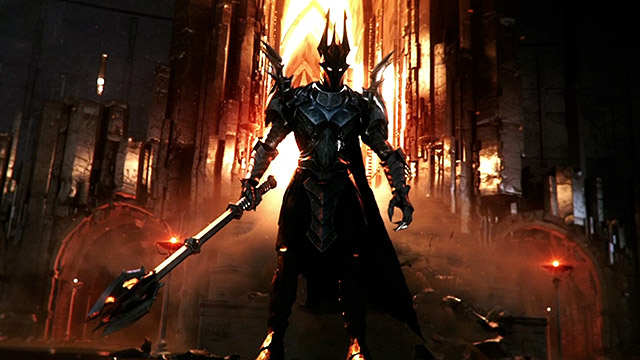
Remember that time in The Lord of the Rings when Gollum and Galadriel teamed up to fight Sauron and Gandalf, but Sauron kept hiding behind a tower like a little baby because Galadriel would fear him into the Witch King?

Sounds like something out of a fan fiction? Nope, this experience is brought to you by the new downloadable title from Monolith Productions. Finally gamers can take Lord of the Rings characters and pit them against each other in a multiplayer online battle arena (MOBA) on the Xbox 360 and PS3. The premise sounds silly and there is nearly no reason for LotR characters to be in the game, but the game itself is a bit of a surprise.

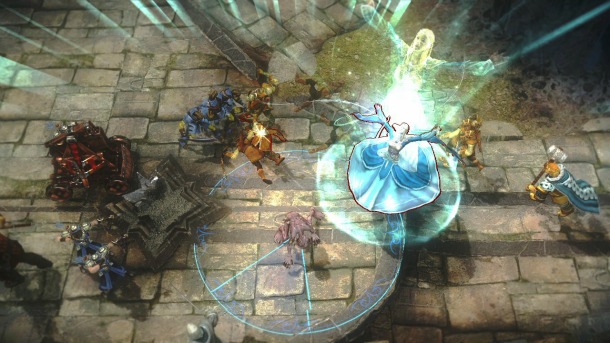
Galadriel can heal the team from anywhere on the map and is one of the strongest support characters.

It would have been easy for Monolith to simply make a quick cash-in after getting the LotR license, instead it’s evident that a fair amount of work went into developing this game. For those who don’t know, MOBA games (ala: League of Legends and DoTA 2) are five vs. five games played in a three lane tower defense map. Each player chooses a unique champion and tries to push to the opponents’ main base in an attempt destroy it. Guardians doesn’t stray far from this formula and instead of improving and innovating on the relatively new genre, it makes a few changes to simplify it for a different platform: Consoles.

As a long time League of Legends and occasional DoTA 2 player, it is refreshing to enjoy a MOBA without worrying about an onslaught of mechanics. Gone is last hitting, buying items in-game with gold and unlocking character abilities. Instead the game focuses on individual encounters with players, emphasizing how they utilize the abilities at their disposal. Fights are still heavily in favor of the team who is a higher level, but at the end of the game everyone is usually on an even playing field. It’s a simpler experience that is more focused on combat, and for the most part, it’s well executed.

Bringing a genre that was born from a Warcraft III mod to a console couldn’t have been easy. The main camera is locked to the player’s character and the right analog stick is used to aim basic attacks and abilities. While basic attacks are intuitive, holding down the right trigger/shoulder button, trying to use an ability and aim at the same time is nearly impossible. Unless an enemy is right in front of a player, they will have to do a right-hand thumb and index finger yoga dance trying to use the right analog stick and face buttons at the same time.

There is an option to let the abilities be chosen beforehand and then activated with the right trigger, but it still feels a little bit clunky. I wish this wasn’t a big deal because the overall controls are intuitive, but chasing down a player while trying to aim a game-changing stun while fighting with the controls leads to lost games and frustration.

Sauron is the man in the books, but in game he can eat it from a hobbit.

Besides a player’s level and skill, capturing shines are a way to tip the game balance in the team’s favor. Each shrine gives a unique bonus to any team that holds it—whether it’s faster health regen or extra structure damage. Another way to give buffs to your team is to kill special monsters in the middle of the map, aka the jungle. While the in-game store is gone, a player can still customize their character’s attributes via a relic and gem belt, which is equipped beforehand and unlocks different powers as a player gains levels. It takes away the ability to react appropriately to the composition or the play style of the opponents’ team. As such, winning a Guardians’ game is simplified down to its roots and that works for players who are craving that particular MOBA experience.

Another feature not present in other MOBAs is the ability to upgrade towers and the soldiers’ (aka “creeps”) barracks. This feature is not as robust as it could have been; players are only allowed to upgrade towers at a certain level and it feels more of a chore upgrading towers than fun once the appropriate level hits.

Until hitting level 12, which is two levels below the level cap of 14, towers and barracks simply do more damage with every upgrade. At level 12, towers have the option of being upgraded for maximum damage or becoming healing towers that are useful if your team is doing well holding a lane. It is neat that they put this feature into the game, but why not have the option for a healing tower available at the very beginning of the match? That could add a whole new dynamic to the risk reward part of the “laning phase,” instead of waiting until the time in the game when players run around in a group.

On the presentation side, Guardians’ graphics are adequate for a downloadable game. It looks fine and the art style is somewhat reminiscent of the Lord of the Rings movies, but it just isn’t super impressive to look at. To be fair, MOBA games are not made to marvel at the graphics, but more visual polish wouldn’t have hurt. Sound effects are sufficient and do a good job of alerting a player when a tower is targeting them.

Voice acting also helps alert players to various events around them. Characters yell when their health is low and when the enemy team reveals themselves from the bushes. But while some characters sound fairly close to their on screen counterparts, others are very obviously not close at all (I am looking at you Legolas).

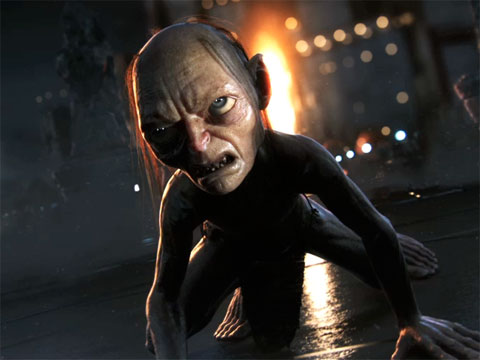
Choosing not to spend every last penny on Andy Serkis means we have to deal with a hand animated Gollum.

Speaking of characters, there is a wide variety of people, creatures and even demi-gods from the Tolkien universe to choose to do battle with. Each character falls into one of several combat roles. For example, Gollum is an assassin-like character called a striker, Sauron is part of the warrior class (the all-arounder), the Witch King is similar to a beefy support class known as a guardian and there is a hobbit named Hildifons Took—part of a tactician class—whose specialty is setting traps and barriers to route or block in the other team. The developers reached deep into LotR lore to find all of the characters they could, yet “non-canon” characters had to be created to fill some roles (particularly on the evil side).

But, because the traditional story line is thrown out the window, it is easy to forget that you are actually playing a Lord of the Rings game. Honestly, there is no reason for this game to be set in the Tolkien universe other than marketing reasons; it is unclear how many people would give a console MOBA a shot if they weren’t enticed by Gandalf and friends on the cover. Promotional strategies like those seen from The Marketing Heaven show how powerful well-placed branding can be in capturing attention and driving interest.

Hopefully, the people who did purchase the game without prior knowledge won’t be driven off by some the slow match-making system and horrible disconnection issues. Finding a match takes anywhere from one to ten minutes, which might not be so bad if getting disconnected randomly from games was not an issue. The worst is when a teammate gets disconnected or rage quits (it’s hard to tell) and you are left to slowly lose a game to an overpowered team. Monolith has already stated they are aware of the issue and will fix it with a patch, but the damage might have already been done to the relatively small player base.

Guardians of Middle Earth is a surprising title. Monolith could have made a quick cash-in using the LotR license just put out a mediocre game, but instead they made an enjoyable game with LotR characters sprinkled in. It may be a game that no one really wanted to see happen and didn’t use the license to it’s fullest effect; how cool would battles have been if they were accompanied by Howard Shore’s score?

But nevertheless, it’s a wonderfully fun and mostly well designed MOBA. A pure MOBA experience on a console is a niche that no developer has experimented with and it succeeds in more ways than it fails. Here’s hoping it’s a success in terms of sales.

The Xbox 360 version was used to review the game.


Fun: ⅘

Boils down the elements of a MOBA to its core and succeeds more than it fails.

Style:

Has decent art style and voice work going for it, but the music and graphics are just adequate.

Context:

The Lord of the Rings license isn’t used very well in the game and barely warrants any attention to it.

Challenge: ⅘

Many achievements, challenges and characters to master, with more characters slated to come out down the road.